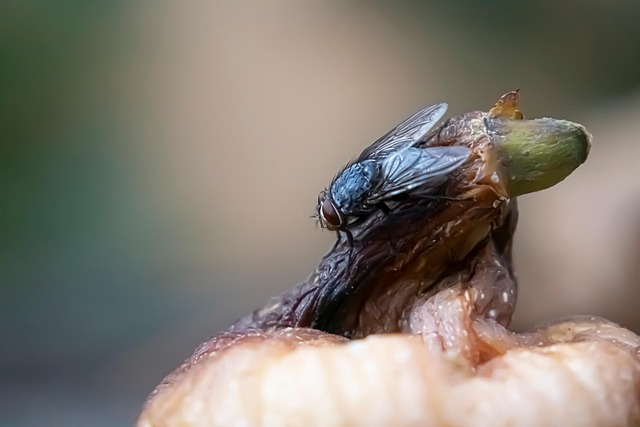
Termite Inspection Denver has become a critical preventive measure due to climate change and urban d…….
Category: Termite Inspection Denver
Termite Inspection Denver: A Comprehensive Guide
Introduction
In the heartland of Colorado, Denver stands as a vibrant metropolis, known for its stunning landscapes and thriving economy. Amidst this bustling urban environment lies an often-overlooked yet critical aspect of property maintenance—termite inspection. Termite Inspection Denver is a meticulous process designed to identify and mitigate potential termite infestations, safeguarding homes, businesses, and the city’s infrastructure. This article aims to delve into the intricate world of termite inspections, exploring its history, global impact, economic significance, technological innovations, regulatory frameworks, challenges, and the inspiring success stories that shape this essential practice. By the end, readers will grasp the profound importance of Termite Inspection Denver in preserving the structural integrity of Denver’s built environment.
Understanding Termite Inspection Denver
Definition: Termite Inspection Denver refers to a comprehensive evaluation conducted by trained professionals to detect and assess termite activity within structures and surrounding areas. It involves a systematic search for signs of termite presence, damage, or potential entry points.
Key Components:
- Visual Inspection: Examining the property’s exterior and interior for visible signs of termites, including mud tubes, wood damage, or swarmer insects.
- Non-Destructive Testing: Utilizing tools like moisture meters, thermal imaging cameras, or radar technology to identify hidden termite activity without causing structural damage.
- Sampling and Laboratory Analysis: Collecting samples of suspected infested materials for laboratory testing to confirm the presence of termites.
- Reporting: Creating a detailed report outlining inspection findings, potential risks, and recommended treatment options.
Historical Context: Termite inspections have been practiced in various forms for centuries, with ancient civilizations documenting methods to control termite damage. However, modern termite inspection techniques emerged during the 20th century as urban development accelerated. In Denver, the growing population and increasing construction activity spurred the need for standardized termite inspection protocols, ensuring the protection of newly built homes and commercial structures.
Significance: Termite inspections are crucial for several reasons:
- Structural Preservation: Termites can cause extensive damage to wooden structures, leading to costly repairs or even structural collapse. Regular inspections identify and mitigate these risks.
- Property Value Protection: A termite-free certification enhances a property’s value, which is essential for real estate transactions.
- Prevention of Infestations: Early detection allows for prompt treatment, preventing the spread of termites throughout a building or neighborhood.
Global Impact and Trends
Termite Inspection Denver operates within a global context, influenced by international trends and regional variations. Here’s an overview:
| Region | Key Trends | Challenges |
|---|---|---|
| North America | Increased urban development, shifting termite species distribution, and growing demand for eco-friendly treatment options. | Rising termite populations due to climate change, new construction methods attracting termites, and the need for cost-effective treatments. |
| Asia Pacific | Rapid urbanization, high population density, and traditional wooden architecture make it a prime target for termites. | Diverse termite species, complex terrain, and cultural practices that impact pest control methods. |
| Europe | Strict environmental regulations influence treatment options, with a focus on non-chemical solutions. Termites are less prevalent but not entirely absent. | Regulatory hurdles for chemical treatments, termite species adaptation to new environments, and the need for climate-resilient buildings. |
| Africa | Diverse climates support a wide range of termite species, posing unique challenges. Traditional construction methods increase vulnerability. | Localized resistance to common treatments, complex social structures of some termite colonies, and limited access to modern inspection tools. |
Economic Considerations
The economic implications of Termite Inspection Denver are multifaceted:
- Market Dynamics: The demand for termite inspections is driven by the real estate sector, construction industry, and homeowners’ awareness of structural damage risks. In Denver, a thriving housing market ensures consistent demand throughout the year.
- Investment Patterns: Property investors prioritize termite-free certifications to ensure long-term investment value. This trend has led to increased funding for advanced inspection technologies and training.
- Economic Impact: According to industry reports, termite control services in the US contributed over $12 billion to the economy in 2022. In Denver, this translates to significant employment opportunities and local business growth within the pest control sector.
- Cost Analysis: The cost of termite inspections varies based on property size, complexity, and frequency. Average fees range from $100 to $400 per inspection, with annual or termite-warranty packages offering savings for long-term protection.
Technological Advancements
Technology plays a pivotal role in modern Termite Inspection Denver:
- Moisture Detection: Advanced moisture meters equipped with sensors identify areas of high humidity, which termites are drawn to, enabling early detection of potential infestation points.
- Thermal Imaging: Thermal cameras visualize temperature variations, helping inspectors identify hidden termite activity and structural weaknesses.
- Radar Technology: Ground-penetrating radar scans through walls and floors to detect termite tunnels and infestations without causing damage.
- Drone Inspections: Drones equipped with high-resolution cameras and sensors offer a bird’s-eye view of large properties, hard-to-reach areas, or post-disaster assessments, enhancing inspection efficiency.
- AI-Assisted Analysis: Artificial intelligence algorithms analyze inspection data to predict termite activity patterns, prioritize risk assessment, and optimize treatment plans.
Policy and Regulation
Regulatory frameworks govern Termite Inspection Denver, ensuring safety, health, and environmental standards:
- Local Government: In Denver, the Department of Health & Environment oversees pest control practices, including termite inspections. They provide guidelines, issue permits for chemical treatments, and enforce regulations to maintain public safety.
- National Standards: The International Code Council (ICC) offers model building codes, including provisions for termite prevention and control. These standards are adopted by many states, influencing local inspection requirements.
- Environmental Considerations: Federal and state laws govern the use of pesticides, prioritizing environmentally friendly treatment options and minimizing impacts on non-target species.
- Insurance Requirements: Homeowners’ insurance policies often mandate regular termite inspections to maintain coverage for structural damage caused by termites.
Challenges and Criticisms
Despite its critical importance, Termite Inspection Denver faces several challenges:
- Cost and Insurance Coverage: One of the primary concerns is the cost of inspections, especially for low-income homeowners. Limited insurance coverage for termite damage encourages some property owners to skip inspections or opt for subpar services.
- Termite Species Variability: Different regions within Denver host unique termite species, requiring tailored inspection methods and treatments. This diversity poses challenges for generalist inspectors.
- Unlicensed Practitioners: The absence of strict licensing requirements allows untrained individuals to offer termite inspection services, potentially leading to inaccurate reports or missed infestations.
- Misinformation and Scams: Homeowners may fall victim to misleading marketing tactics or fraudulent inspections, resulting in unnecessary treatment costs or missed opportunities for proper prevention.
Strategies to Overcome Challenges:
- Community Education: Outreach programs that educate homeowners about termite risks, inspection processes, and cost-effective prevention methods can empower them to make informed decisions.
- Licensing and Certification: Implementing robust licensing and certification programs ensures that only qualified professionals conduct termite inspections, enhancing service quality.
- Government Subsidies: Targeted financial assistance for low-income homeowners could encourage regular inspections, addressing accessibility issues.
- Research and Collaboration: Continued research on local termite species and collaborative efforts between researchers, inspectors, and regulators can lead to more effective control strategies.
Case Studies: Successful Applications of Termite Inspection Denver
Case Study 1: Historic Downtown Renovation
In the heart of downtown Denver, a historic building undergoing renovation faced severe termite damage. The property owner engaged a reputable termite inspection company known for its advanced techniques. Through drone-assisted inspections and thermal imaging, they identified extensive termite tunnels behind walls and beneath floorboards. The early detection allowed for targeted treatment without damaging historical features, ensuring the preservation of the building’s architectural integrity.
Case Study 2: Eco-Friendly Community Development
A new suburban development in Denver prioritized sustainable practices, including termite control. Developers collaborated with entomologists to implement a comprehensive termite management system. Regular non-chemical inspections and treatments were integrated into the community’s maintenance plan, reducing environmental impact while maintaining structural integrity. This approach attracted eco-conscious homebuyers and set a precedent for sustainable pest control practices.
Case Study 3: Post-Disaster Recovery
After a severe storm hit Denver, many homes sustained damage, including potential termite infestations. Local authorities coordinated with emergency response teams to conduct rapid termite inspections in affected areas. By quickly identifying at-risk properties and implementing targeted treatments, they prevented further structural deterioration and helped residents recover more effectively from the disaster.
Future Prospects: Emerging Trends and Growth Areas
Looking ahead, Termite Inspection Denver is poised for continued growth and innovation:
- Smart Home Integration: Integrating termite inspection data with smart home systems allows homeowners to receive real-time alerts about potential infestations or maintenance needs.
- Genomically-Based Treatments: Advancements in genomics are leading to more targeted and effective termite control options, minimizing environmental impacts.
- Predictive Modeling: AI-driven predictive models will enhance inspection efficiency by forecasting areas at high risk of termite activity, enabling proactive measures.
- Sustainable Treatment Options: There is a growing demand for eco-friendly treatments, encouraging the development of natural repellents and biopesticides.
- Remote Monitoring: The use of IoT sensors to remotely monitor properties for termite activity could revolutionize inspection practices, providing continuous protection.
Conclusion
Termite Inspection Denver stands as a critical pillar in the city’s robust property maintenance framework. From historical evolution to global trends, economic implications, technological advancements, regulatory oversight, and the challenges it faces, this practice has adapted and thrived. Through successful case studies, it is evident that termite inspections play a pivotal role in preserving Denver’s architectural tapestry and safeguarding its residents’ investments. As the city continues to grow and evolve, so too will the methods and technologies employed in Termite Inspection Denver, ensuring its enduring relevance and effectiveness.
FAQ Section
Q: How often should I get my home inspected for termites?
A: It is recommended to have a professional termite inspection at least once every three years. However, if you live in an area with a high risk of termite activity or have recently experienced a significant change in your property (e.g., new construction nearby), annual inspections are advisable.
Q: What does a termite inspection entail?
A: A thorough termite inspection includes a visual assessment of the exterior and interior of your property, using tools like moisture meters, thermal imaging cameras, or radar technology to detect hidden termite activity. Samples may be collected for laboratory testing to confirm the presence of termites.
Q: Are there any DIY methods to check for termites?
A: While there are some DIY tools available, they offer limited effectiveness. Termites often hide in hard-to-reach areas, and their presence may not always be visible. Professional inspectors have the training, equipment, and expertise to conduct comprehensive inspections, ensuring more accurate results.
Q: What should I do if I find termites during an inspection?
A: If active termite activity is detected, it’s crucial to contact a licensed pest control professional immediately. They will provide a detailed report and recommend appropriate treatment options, ensuring the timely resolution of the issue.
Q: How can I prevent termites from infesting my home?
A: Termite prevention involves several strategies, including maintaining proper drainage around your property, removing sources of wood-based materials in contact with soil (e.g., firewood piles), and sealing potential entry points. Regular inspections are also essential to catch infestations early.
Termite Inspection Denver: Protect Your Home with Drain & Pest Monitoring
Regular Termite Inspection Denver is crucial for preserving wooden structures' integrity. Early…….
Termite Inspection Denver: Integrated Pest Management Uncovered
Integrated Pest Monitoring (IPM), guided by Termite Inspection Denver expertise, is a holistic pest…….
Exterior Perimeter Checks for Termite Inspection Denver
Regular Termite Inspection Denver is crucial for protecting homes from infestations, especially in D…….
Termite Inspection Denver: Interceptors, Monitoring, Pest Management
Termite Inspection Denver professionals leverage bed bug interceptors—sticky traps placed near…….
Termite Inspection Denver: Uncover, Control, Protect Your Home
Termite management in Denver requires tailored strategies focusing on early detection through regula…….
Termite Control: Glue Board Placement for Denver Inspections
Pest monitoring glue boards are an effective, non-invasive tool for Termite Inspection Denver. Strat…….
Termite Inspection Denver: Targeting Mosquito Landing Rates Effectively
Termite Inspection Denver integrates meticulous mosquito landing rate data collection with advanced…….
Optimizing Termite Prevention: Denver’s Trend-Based Pest Monitoring Guide
In Denver, where termite activity varies with seasons, a trend-based scheduling system for Termite I…….
Termite Inspection Denver: Risk Scoring for Proactive Protection
Pest monitoring and sanitation are critical for Denver facility management, especially regarding ter…….